South Carolina has officially declared the end of its recent measles outbreak—but the relief is short-lived. As health officials close the chapter on 12 confirmed cases in Greenville and Spartanburg counties, new clusters are emerging across the country, rekindling concerns about vaccine hesitancy and public health readiness.
This pattern isn’t isolated. It reflects a broader trend: localized outbreaks being contained just as new ones ignite elsewhere, often in communities with low vaccination coverage. The end of one crisis doesn’t mean safety—it means vigilance is more critical than ever.
The End of South Carolina’s Outbreak: What Happened
In early 2025, South Carolina faced its first significant measles outbreak in decades. The index case was an unvaccinated traveler who returned from a country with ongoing measles transmission. Within weeks, secondary cases appeared—mostly among unvaccinated children and adults in close-contact settings like schools and churches.
The South Carolina Department of Health and Environmental Control (DHEC) responded swiftly. Contact tracing identified over 500 potential exposures. Public alerts were issued, schools were screened, and emergency vaccination clinics were set up in affected areas.
By mid-spring, transmission halted. No new cases were reported for over 40 days—twice the maximum incubation period—allowing officials to declare the outbreak over.
Key factors in containment: - Rapid case identification and isolation - Aggressive contact tracing - Targeted vaccination campaigns in low-immunization zip codes - Coordination between local clinics, schools, and hospitals
Still, the episode exposed vulnerabilities. Vaccine exemption rates in some school districts exceeded 7%, well above the 5% threshold considered risky for herd immunity.
Why Measles Still Threatens the U.S.
Measles is one of the most contagious viruses known—90% of unvaccinated people exposed to it will contract the disease. It spreads through the air, survives on surfaces for hours, and can be transmitted days before symptoms appear.
Despite being declared eliminated in the U.S. in 2000, measles has made a comeback due to: - Declining MMR (measles, mumps, rubella) vaccination rates - Misinformation about vaccine safety - International travel to and from endemic regions - Fragmented local public health infrastructure
As of the latest CDC data, at least six states—Arizona, New Jersey, Washington, Texas, Illinois, and New York—have reported active measles cases, with outbreaks linked to international travelers and undervaccinated communities.
In Arizona, for example, a single case at a charter school led to a 14-day quarantine for 80 unvaccinated students—some of whom had medical or philosophical exemptions. In New Jersey, a cluster in a close-knit religious community grew to 18 cases before containment efforts took hold.
These aren’t isolated incidents. They’re early warnings.
The Role of Vaccine Hesitancy in Outbreak Spread
Vaccine hesitancy isn’t just a personal choice—it’s a public health liability.

In South Carolina, all but one of the outbreak cases occurred in unvaccinated individuals. The same pattern repeats nationwide. A 2024 CDC analysis found that 89% of measles cases in the past three years involved unvaccinated or unknown-vaccination-status individuals.
Common misconceptions driving hesitancy: - “Measles isn’t dangerous”—false. It can cause pneumonia, encephalitis, and death. - “Vaccines cause autism”—debunked. Hundreds of studies have found no link. - “Natural immunity is better”—risky. Acquiring immunity through infection exposes individuals to severe complications.
Local communities often amplify these beliefs. In some areas, social media groups have become echo chambers for anti-vaccine content. One Greenville County parent, interviewed during the outbreak, admitted joining a Facebook group that discouraged vaccination—only to reverse course after their child was exposed and required quarantine.
Public health workers now treat vaccine hesitancy like a contagion itself—requiring education, trust-building, and community outreach.
How Outbreaks Are Detected and Contained
The system for detecting and stopping measles isn’t perfect, but it works when resourced and responsive.
Detection - Hospitals and clinics report suspected measles cases to state health departments - Lab testing confirms diagnosis via blood sample or throat swab - Electronic surveillance systems flag unusual spikes in febrile rash illnesses
- Containment Once confirmed:
- Isolate the infected individual
- Trace all contacts from four days before to four days after rash onset
- Vaccinate or administer immune globulin to exposed unvaccinated individuals
- Monitor contacts for symptoms for 21 days
- Alert the public if community exposure occurred
South Carolina’s success hinged on speed. DHEC activated its incident command system within 48 hours of the first diagnosis. Mobile vaccination units reached 1,200 people in high-risk areas in under a week.
But not all states are equally prepared. Rural health departments often lack staff or funding for rapid response. In some regions, political resistance to public health mandates delays action.
High-Risk States to Watch Now
While South Carolina’s outbreak is over, surveillance systems are lighting up elsewhere.
| State | Recent Cases | Primary Source | Risk Level |
|---|---|---|---|
| Arizona | 6 | International traveler | High |
| New Jersey | 18 | Undervaccinated community | High |
| Washington | 9 | School exposure | Moderate |
| Texas | 4 | Travel-related | Moderate |
| Illinois | 7 | Urban transmission | Moderate |
| New York | 11 | Religious community | High |
New York and New Jersey, with dense populations and pockets of low vaccination, are particularly vulnerable. In Rockland County, NY, MMR coverage in some schools has dipped below 85%—far below the 95% recommended for herd immunity.
These aren’t just numbers. A 2023 outbreak in Ohio spread from a single unvaccinated teen to 52 people across three counties, costing over $1.2 million in public health response.
Practical Steps to Protect Yourself and Your Community
Waiting for an outbreak to start is the wrong time to act. Prevention begins now.
Get vaccinated—or check your status - Adults born after 1957 should have at least one MMR dose (two doses preferred) - College students, healthcare workers, and international travelers need two doses - If unsure, a blood test can confirm immunity
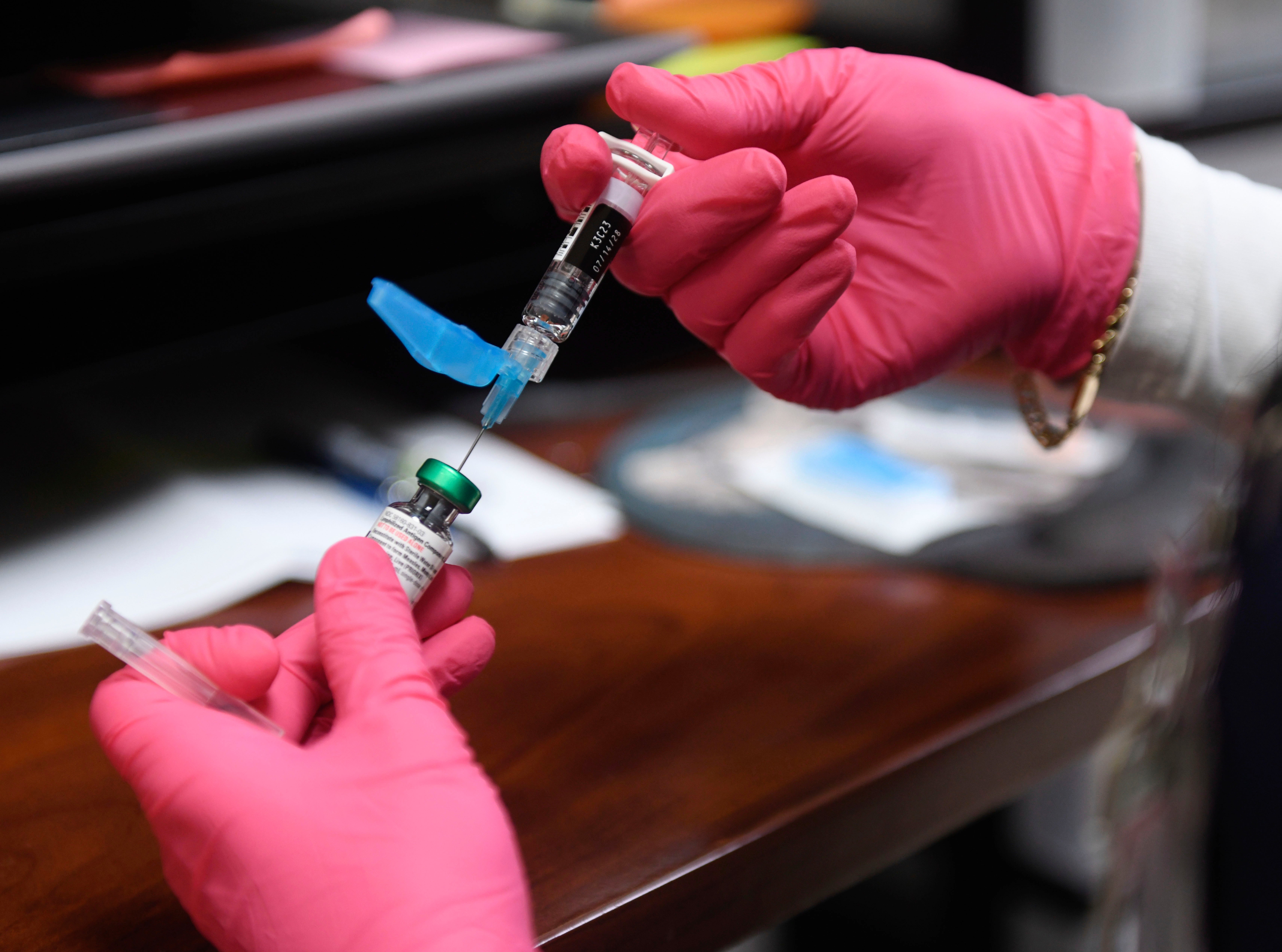
Verify your children’s records - The CDC recommends the first MMR shot at 12–15 months, second at 4–6 years - Some schools require proof before enrollment - Catch-up schedules exist for delayed vaccinations
Stay informed during travel - Measles is endemic in parts of Europe, Africa, and Asia - Infants as young as 6 months can receive early vaccination if traveling - Check CDC travel notices before departure
Speak up in your community - Share credible sources (CDC, WHO, pediatricians) with hesitant friends - Support school policies that enforce vaccination - Participate in local public health meetings
One South Carolina mother, whose child was quarantined during the outbreak, put it bluntly: “I thought we were past diseases like this. I was wrong. Now I’m talking to other parents—because silence helps the virus spread.”
The Bigger Picture: A Fragile Eradication
Measles elimination in the U.S. is fragile—not failed, but fraying.
Globally, measles cases have surged. The WHO reported over 10 million cases and 128,000 deaths in 2023—driven by disruptions from the pandemic, war, and misinformation.
As long as the virus circulates abroad and vaccination rates falter at home, the U.S. remains at risk. Each outbreak contained, like South Carolina’s, is a win—but also a warning. The next spark could land anywhere.
Public health isn’t just about reacting. It’s about resilience: strong clinics, trusted messengers, and communities that prioritize collective safety over misinformation.
Closing: Stay Alert, Stay Protected
South Carolina’s outbreak is over. But the threat isn’t. With measles simmering in multiple states and vaccine confidence wavering, complacency is the real danger.
Action steps: - Confirm your and your family’s MMR status - Encourage vaccination in schools and community groups - Monitor local health alerts - Reject misinformation with facts
This isn’t fearmongering. It’s responsibility. Measles may be beatable—but only if we stay ahead of it.
FAQ
Did anyone die in South Carolina’s measles outbreak? No deaths were reported. Most cases recovered fully, though several required hospitalization for complications like pneumonia.
Can vaccinated people still get measles? Yes, but it’s rare. The MMR vaccine is 97% effective with two doses. Vaccinated individuals who do get measles typically have milder symptoms and are less contagious.
How long does a measles outbreak need to go without cases to be declared over? At least 42 days (two incubation periods) with no new cases. South Carolina met this threshold in April.
Are there vaccine mandates in South Carolina? Schools require MMR vaccination, but South Carolina allows philosophical and religious exemptions, contributing to lower coverage in some areas.
Can adults get the MMR vaccine? Yes. Adults without evidence of immunity should get at least one dose. Those at higher risk (healthcare workers, travelers) should get two.
Why are measles outbreaks happening now? Declining vaccination rates, increased international travel, and misinformation have created conditions for resurgence.
What should I do if I’m exposed to measles? Contact your healthcare provider immediately. If unvaccinated, you may receive the vaccine within 72 hours or immune globulin within six days to reduce risk.
FAQ
What should you look for in South Carolina’s Measles Outbreak Ends, New Threats Loom? Focus on relevance, practical value, and how well the solution matches real user intent.
Is South Carolina’s Measles Outbreak Ends, New Threats Loom suitable for beginners? That depends on the workflow, but a clear step-by-step approach usually makes it easier to start.
How do you compare options around South Carolina’s Measles Outbreak Ends, New Threats Loom? Compare features, trust signals, limitations, pricing, and ease of implementation.
What mistakes should you avoid? Avoid generic choices, weak validation, and decisions based only on marketing claims.
What is the next best step? Shortlist the most relevant options, validate them quickly, and refine from real-world results.