We scroll past curated images, polished voices, and filtered lives—then wonder why we feel broken. But what if the cracks aren’t flaws? What if, as Demi Lovato once reminded us, your imperfections make you beautiful? This isn’t just a feel-good mantra. It’s a radical act of resistance against perfectionism, comparison, and the illusion of flawlessness sold to us daily.
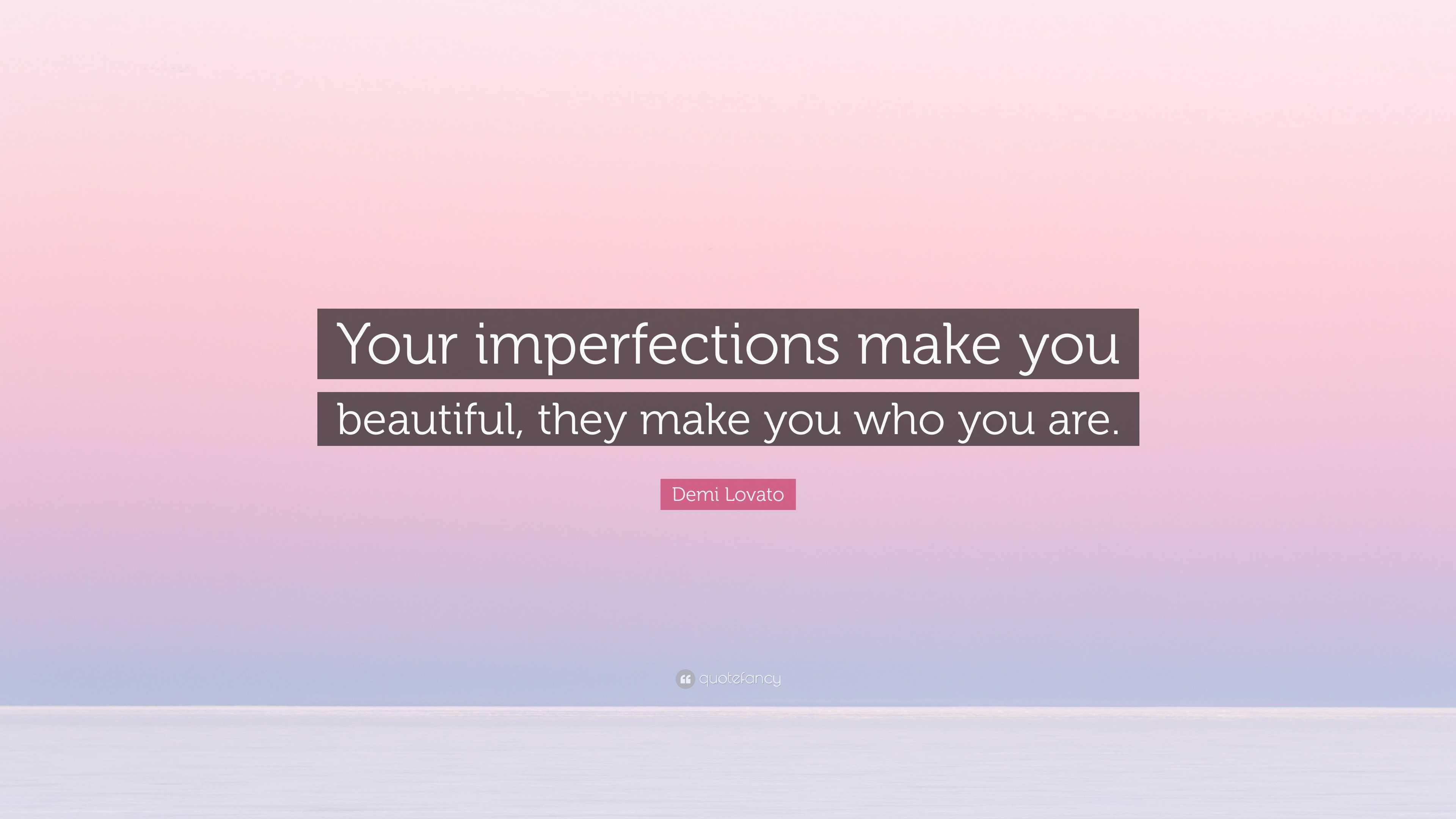
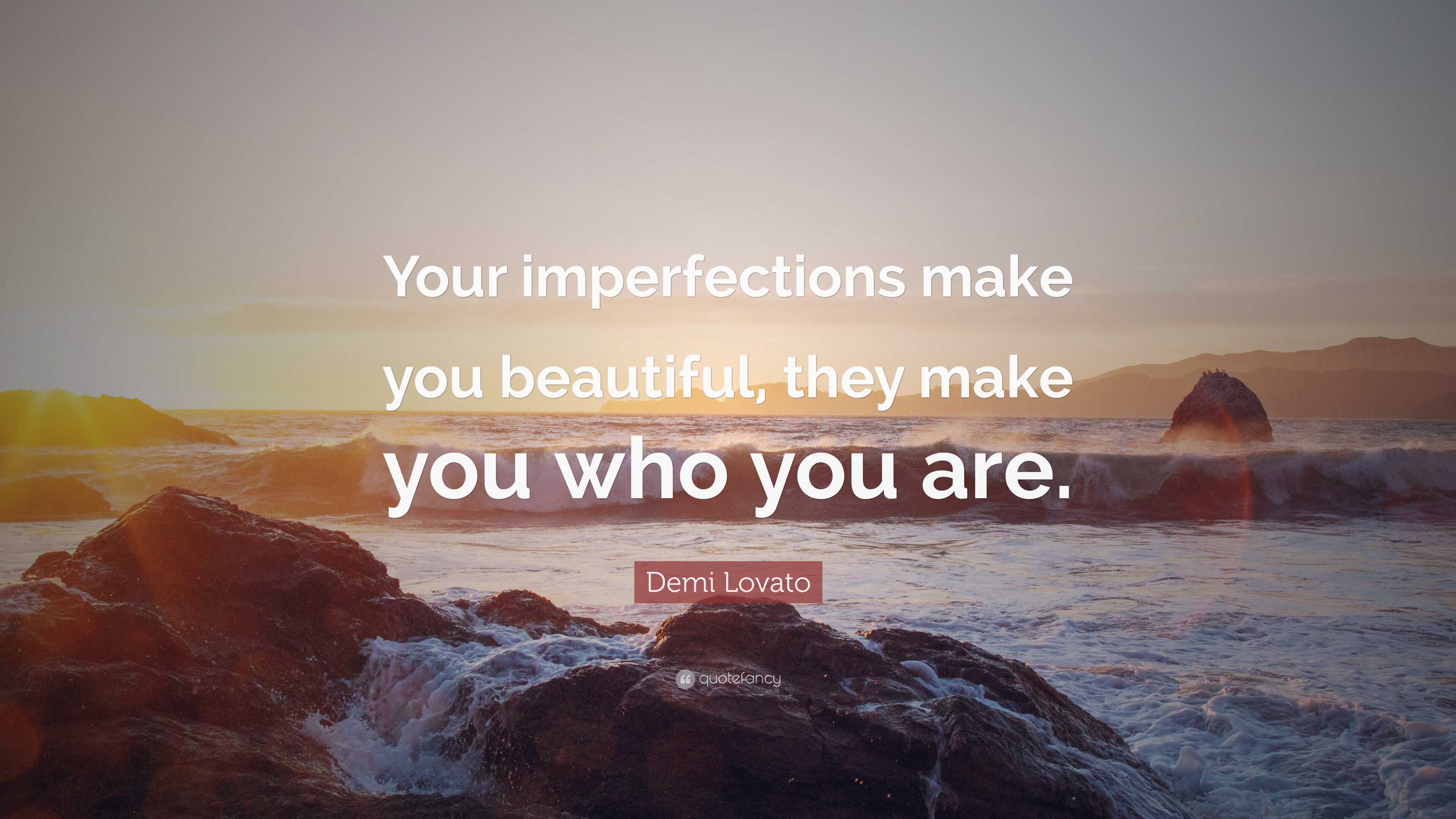
“Your imperfections make you beautiful. They make you who you are. So just be yourself. Love yourself for who you are. And just live.”
This quote—shared widely as a “quote of the day” moment—cuts deeper than surface-level inspiration. It’s a distillation of Demi’s journey: a public reckoning with addiction, identity, mental health, and the cost of fame. It’s born from hospital stays, relapses, and hard-won recovery—not from a studio session, but from survival.
Let’s unpack why this message still resonates—and how to live it beyond the screenshot.
The Weight Behind the Words: Why
This Quote Matters
Demi Lovato isn’t just a pop star. They’re a cultural witness. From child actor to chart-topping artist to mental health advocate, their evolution mirrors a generation’s growing awareness: perfection is a myth. And chasing it is dangerous.
The quote wasn’t delivered on a red carpet. It emerged from interviews, social media reflections, and documentary moments—raw, unscripted truths. When Demi says, “They make you who you are,” they’re not dismissing pain. They’re reclaiming it.
Consider the context: - Diagnosed with bipolar disorder - Public struggles with eating disorders and substance abuse - Survived a near-fatal overdose in 2018 - Openly identifies as non-binary and queer
Their message isn’t theoretical. It’s forged in crisis. And that gives it weight.
Too many quotes about self-love feel like empty affirmations. This one doesn’t. Because it’s rooted in having been broken—and choosing to rebuild with honesty.
“Your Imperfections Make You Beautiful” — A Lesson in Human Nature
We’re wired to hide our flaws. From early childhood, we learn: - Mistakes = punishment - Weakness = rejection - Difference = exclusion
But imperfection isn’t failure. It’s evidence of being alive.
When Demi says your flaws make you beautiful, they’re challenging a lie we’ve internalized: that worth is earned through performance, appearance, or approval.
Think of a scar. A stutter. A chronic condition. A past mistake you still carry. Society tells us these are weaknesses. But they’re also proof of resilience. They tell stories of survival, adaptation, and courage.
Practical example: A young woman hides a scar on her arm from self-harm. She avoids short sleeves, even in summer. But when she finally shares it—on a podcast, in therapy, with a friend—it becomes not a source of shame, but a turning point. Others say, “Me too.” The imperfection becomes connection.
That’s the beauty Demi means. Not aesthetic appeal. Relational authenticity.
“They Make You Who You Are” — Identity Beyond the Mask
We spend years constructing versions of ourselves: - The high-achiever who never shows stress - The “strong friend” who never asks for help - The professional who edits out their quirks
But these masks fracture the self.
Demi’s journey—from Disney star to unapologetic advocate—shows what happens when you stop performing. In their documentary Demi Lovato: Dancing with the Devil, we see the cost of hiding: addiction, isolation, near-death. And the liberation of truth: sobriety, advocacy, creative rebirth.
Your quirks, your trauma, your neurodivergence, your grief—these aren’t flaws to fix. They’re threads in your story.
Common mistake: People hear “love yourself” and think it means feeling euphoric about every part of your life. It doesn’t. Self-love is acceptance, not constant celebration. It’s saying: - “I hate that I struggle with anxiety, but it doesn’t make me less worthy.” - “I’m not proud of that mistake, but it shaped my empathy.”
That’s what “they make you who you are” really means: stop editing your history.
“Just Be Yourself” — Why It’s Harder Than It Sounds
“If only I could just be myself,” many say. But in a world of algorithms, branding, and social comparison, authenticity is a practice—not a switch.
Consider the forces working against it: - Social media rewards performance, not honesty - Workplaces often punish vulnerability - Families may reject identity shifts (e.g., coming out, career changes)
“Just be yourself” sounds simple. But it requires unlearning decades of conditioning.
- Workflow tip: Start small.
- Identify one way you’re “editing” yourself (e.g., downplaying opinions, hiding interests).
- In a safe space, express it (e.g., share a unpopular opinion with a trusted friend).
- Notice the outcome. Often, the sky doesn’t fall. And you feel lighter.
Demi didn’t come out as non-binary overnight. It followed years of internal exploration, therapy, and public trial-and-error. Authenticity is iterative.
“Love Yourself for Who You Are” — The Daily Rebellion
Self-love isn’t a one-time decision. It’s daily resistance.
Every time you: - Cancel plans to rest, without guilt - Set a boundary with a family member - Wear clothes that feel like you, not “what suits you” - Speak up about a need instead of swallowing it
—you’re practicing self-love.
But struggle is inevitable. Demi has relapsed. They’ve faced backlash. They’ve questioned their path. And yet, they keep returning to self-acceptance.
Realistic use case: A man recovering from alcoholism attends a party. He brings his own drink, says no to shots, feels judged. Later, he journals: “I protected my peace. That’s strength.” That moment—small, quiet, uncelebrated—is self-love in action.
It’s not about feeling confident all the time. It’s about choosing yourself especially when it’s hard.
“And Just Live” — The Ultimate Act of Defiance
In a culture obsessed with productivity, optimization, and legacy, “just live” is revolutionary.
It means: - Letting yourself rest without justification - Laughing at something dumb at 2 a.m. - Crying in the grocery store, then buying ice cream - Trying something with no chance of going viral
Living isn’t about milestones. It’s about presence.
Demi’s career is proof. After their overdose, many expected retirement. Instead, they released Holy Fvck, a raw rock album. They launched a mental health app, Calm. They hosted a podcast. Not for fame—but because it mattered to them.
“That’s not success,” critics said. “Where are the number-one hits?” But Demi redefined success: alignment over applause.
The Dark Side of the Message — What No One Talks About
This quote isn’t a cure-all. And pretending it is dangerous.
- Limitations to acknowledge:
- It’s not a substitute for therapy. Self-love can’t bypass trauma. Demi didn’t heal alone—they had treatment, support, and medical care.
- It can be weaponized. “Just love yourself” gets used to shame people for seeking help or medication.
- It’s not linear. Some days, self-love feels impossible. And that’s okay.
The quote works best when paired with action—not as a replacement for it.
You can believe you’re worthy and need help. You can love yourself and want to grow. You can embrace imperfection and work on healing.
They’re not contradictions. They’re coexistence.
How to Apply
This Beyond the Quote
Don’t just save this quote to your phone. Live it.
Actionable practices: - Morning reflection: Look in the mirror. Say one true thing about yourself—good or hard. No filter. - Imperfection journal: Each week, write about a “flaw” that taught you something. - Permission slips: Give yourself one “illogical” joy per week (e.g., dancing alone, wearing mismatched socks). - Digital detox: Unfollow 10 accounts that make you feel “less than.” Replace them with voices like Demi’s—raw, real, resilient.
These aren’t fixes. They’re rituals of remembrance: You are not a project to complete. You are a person to become.
Final Thought: The Beauty of Being Unfinished
Demi Lovato’s quote endures because it’s not about arriving. It’s about allowing.
Allowing cracks. Allowing change. Allowing yourself to be a work in progress—with no deadline.
In a world that demands perfection, the bravest thing you can do is say: “I am not fixed. I am here. And that’s enough.”
Start there. Live from there. Let everything else follow.
FAQ
What is Demi Lovato’s most famous quote about self-love? One of their most shared quotes is: “Your imperfections make you beautiful. They make you who you are. So just be yourself. Love yourself for who you are. And just live.”
Has Demi Lovato spoken about mental health in interviews? Yes. They’ve been open in documentaries like Dancing with the Devil, podcasts, and advocacy work about bipolar disorder, addiction, and recovery.
How can I practice self-love after trauma? Start with small acts of kindness: therapy, journaling, setting boundaries, and surrounding yourself with supportive people. Healing isn’t linear—be patient.
Does Demi Lovato identify as non-binary? Yes. In 2021, they shared they identify as non-binary and use they/them pronouns.
Can loving yourself help with anxiety or depression? Self-love alone isn’t a cure, but self-compassion is linked to better mental health outcomes. It works best alongside professional care.
Why do people connect with Demi’s message? Because it’s honest. They don’t preach perfection—they show up as flawed, recovering, and resilient. That authenticity builds trust.
Is it okay to not feel beautiful in my imperfections? Yes. Some days, acceptance is hard. That’s normal. The goal isn’t constant positivity—it’s returning to self-worth, even when you stumble.
FAQ
What should you look for in Demi Lovato’s Quote of the Day: Embrace Imperfection, Live Fully? Focus on relevance, practical value, and how well the solution matches real user intent.
Is Demi Lovato’s Quote of the Day: Embrace Imperfection, Live Fully suitable for beginners? That depends on the workflow, but a clear step-by-step approach usually makes it easier to start.
How do you compare options around Demi Lovato’s Quote of the Day: Embrace Imperfection, Live Fully? Compare features, trust signals, limitations, pricing, and ease of implementation.
What mistakes should you avoid? Avoid generic choices, weak validation, and decisions based only on marketing claims.
What is the next best step? Shortlist the most relevant options, validate them quickly, and refine from real-world results.