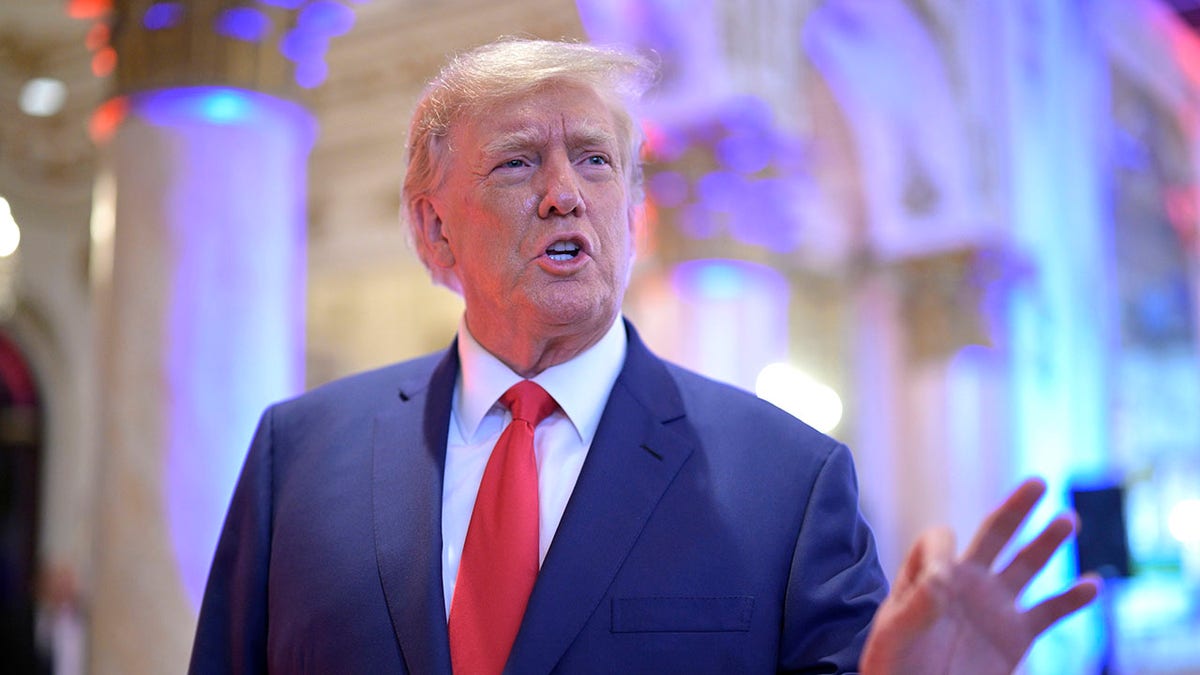
Donald Trump erupted in fury after a 60 Minutes anchor read excerpts from the alleged gunman’s manifesto during a segment on the attempted assassination at a recent rally. The confrontation didn’t just highlight tensions between political figures and the press — it reignited a long-simmering debate about how media outlets handle extremist rhetoric, especially when it intersects with high-stakes political narratives.
Trump’s reaction was swift and scathing. He accused the network and anchor of giving a platform to a violent extremist, calling the decision reckless and politically motivated. But beyond the outrage, the incident reveals deeper fractures in how media, politics, and public safety now collide in the age of viral extremism.
The Broadcast That Sparked the Firestorm
The controversy centers on a 60 Minutes segment that aired shortly after the attempted assassination of Donald Trump at a rally in Butler, Pennsylvania. During the report, correspondent Anderson Cooper — though not officially listed as the anchor for that segment — read passages from what investigators described as the alleged gunman’s online writings, referred to in law enforcement circles as a manifesto.
These writings, posted on the gunman’s social media profile shortly before the attack, contained a mix of incoherent political grievances, personal alienation, and cryptic references to current events. Instead of summarizing or paraphrasing the content, the reporter chose to quote directly from the text.
Trump, in a Truth Social post the following day, called the move “disgusting” and “a total disgrace.” He argued that the network had amplified the shooter’s voice, effectively rewarding violence with national exposure. “They gave him exactly what he wanted — attention,” Trump wrote. “And CBS is now part of the problem.”
Why Reading the Manifesto Crossed a Line
There’s a well-established journalistic guideline: don’t amplify the messages of mass shooters. News organizations, including The New York Times, The Washington Post, and even 60 Minutes in past coverage, have adopted policies to avoid quoting manifestos in full or using the perpetrators’ names excessively. The rationale is simple: limit the notoriety that often fuels copycat attacks.
But in this case, 60 Minutes broke from that norm.
By reading direct excerpts — including phrases like “the decadent elite must fall” and “I will silence the voice” — the broadcast risked turning the attacker’s ramblings into a scripted narrative. Experts in media ethics argue that even well-intentioned reporting can inadvertently validate extremist ideologies when they’re presented without sufficient context or critique.
Consider the Columbine effect: After the 1999 school shooting, detailed media coverage of the perpetrators’ journals and videos inspired a wave of imitation attacks. The FBI later cited media amplification as a contributing factor in the copycat phenomenon.
Trump seized on this dynamic. Whether one agrees with his politics or not, his criticism tapped into a legitimate concern: when news becomes a megaphone for hate, it doesn’t just inform — it influences.
Media’s Dilemma: Transparency vs. Responsibility
Newsrooms face a constant tension between informing the public and avoiding complicity in propaganda. In the aftermath of political violence, audiences demand answers. What motivated the attacker? Were there warning signs? Is anyone else involved?
But satisfying that demand often means engaging with toxic content.

60 Minutes defended its decision by stressing the public’s right to know. “We are not glorifying the shooter,” a CBS spokesperson said. “We are showing what law enforcement is working with, so viewers can understand the threat landscape.”
Still, critics argue that context matters. Simply reading a manifesto — especially without disclaimers, psychological analysis, or input from counter-extremism experts — risks normalizing its content. It turns raw hatred into a soundbite, stripped of its danger.
Imagine a reporter reading passages from an ISIS recruitment video on air, unchallenged. The intent might be expositional, but the effect could be recruitment.
Trump’s response, while combative, echoes a broader call from mental health advocates and security experts: media should report on extremism without becoming its delivery system.
The Political Fallout: Blame, Perception, and Narrative Control
Beyond media ethics, Trump’s reaction is rooted in political survival. For years, he’s faced accusations that his rhetoric incites violence. From the “lock her up” chants at rallies to his comments about “second Amendment people,” critics have argued that his language blurs the line between political speech and incitement.
By attacking 60 Minutes, Trump reframed the narrative. Instead of being on the defensive about his own rhetoric, he positioned himself as a victim — not just of an assassination attempt, but of a media establishment that, in his view, enables violence by platforming extremists.
It’s a classic deflection tactic, but it works.
Polling after the incident showed a sharp partisan divide. Republicans were more likely to blame the media for “giving the shooter a voice,” while Democrats were more likely to fault Trump’s rhetoric for creating a hostile environment. The media, caught in the middle, became the scapegoat.
This isn’t new. After the 2017 Las Vegas shooting, conspiracy theories spread that the media was hiding the gunman’s motives. When no clear manifesto emerged, some claimed a cover-up. This time, with a manifesto in hand, the opposite happened: the media was accused of exploiting it.
How Other Outlets Handled Similar Situations
Compare 60 Minutes’ approach to how other news organizations have handled extremist writings:
- The Guardian (2019 Christchurch shooting): Published a detailed analysis of the manifesto but avoided direct quotes. Instead, they summarized its contents and highlighted its white supremacist themes with expert commentary.
- NPR (2022 Buffalo shooting): Refused to name the shooter or read from his manifesto. Anchors emphasized the victims and community impact, redirecting focus from the perpetrator.
- CNN (2018 Pittsburgh synagogue shooting): Reported on the shooter’s anti-Semitic rants but used paraphrasing and included immediate pushback from religious and civil rights leaders.
60 Minutes, known for its in-depth investigative style, may have believed that quoting directly added authenticity. But in doing so, they bypassed a key principle of responsible reporting: minimize harm.
Even the Dart Center for Journalism and Trauma, which advises newsrooms on covering violence, warns against verbatim readings of extremist texts. “Quoting a manifesto risks spreading disinformation, reinforcing conspiracy theories, and inspiring others,” their guidelines state.
The Danger of Normalizing Extremist Rhetoric
One of the most insidious effects of reading manifestos on air is the slow normalization of extremist language. Phrases like “save the nation” or “stop the elites” sound dramatic, but when repeated in primetime, they begin to sound plausible — especially to vulnerable individuals.
A 2021 study from the University of Pennsylvania found that media coverage directly quoting extremists increased belief in conspiracy theories by 22% among viewers exposed to the content. The effect was strongest when quotes were presented without immediate rebuttal.
In 60 Minutes’ segment, the quotes from the manifesto aired with minimal interruption. No fact-check popped up. No expert voice said, “This is false” or “This is dangerous.” The result? A monologue of hate, delivered in the calm, authoritative tone of broadcast journalism.
Trump may be a polarizing figure, but his point holds water: when the media gives unfiltered access to a would-be assassin’s worldview, it doesn’t just report the news — it shapes it.
Lessons for Responsible Media Coverage
- Is quoting the manifesto necessary to inform the public, or does it satisfy morbid curiosity?
- Can the same points be made through summary, expert analysis, or law enforcement statements?
- Are safeguards in place to prevent the content from being clipped and shared out of context on social media?
Some practical steps newsrooms can take:
- Replace direct quotes with paraphrased summaries.
- Add on-screen disclaimers: “This content contains extremist views. We do not endorse or amplify them.”
- Invite trauma-informed journalists or psychologists to contextualize the attacker’s mindset.
- Focus coverage on victims, survivors, and community responses — not the perpetrator.
Trump may not care about media ethics in the abstract, but his backlash underscores a public unease. People don’t want to hear the killer’s voice. They want to understand how to prevent the next one.
Conclusion: Accountability Without Amplification
Trump’s lashing out at 60 Minutes wasn’t just political theater — it spotlighted a real and growing problem. In an era where attention is currency, giving a platform to violent extremists, even in the name of journalism, comes with consequences.
The media has a duty to inform. But it also has a responsibility to protect. That means reporting on manifestos without turning them into scripts. It means holding power accountable — including the power of broadcast airtime.
Newsrooms don’t need to sanitize reality. But they should stop handing megaphones to those who want to destroy it.
For editors, producers, and viewers alike, the takeaway is clear: context is not optional. Responsibility is not negotiable. And attention — once given — can never be fully taken back.
FAQ
Why did Trump criticize the 60 Minutes anchor? Trump accused the anchor of amplifying the alleged gunman’s manifesto, arguing it gave the attacker unwanted attention and platformed extremist views.
Did 60 Minutes name the gunman? Yes, the network identified the alleged shooter and quoted from his online writings, which some critics argue violated best practices for covering mass violence.
Is it common for news outlets to read manifestos? No. Most major outlets avoid direct quotes from extremist manifestos to prevent glorification and reduce the risk of inspiring copycat attacks.
What’s the ethical concern with quoting a manifesto? Direct quotes can normalize hate speech, spread misinformation, and inadvertently reward violence with national attention.
How have other networks handled similar situations? Outlets like NPR and The Guardian have summarized extremist writings without quoting them directly, often pairing coverage with expert analysis and victim-focused reporting.
Does media coverage influence mass shootings? Studies suggest that extensive, sensationalized coverage can contribute to the “contagion effect,” where high-profile attacks inspire similar acts.
What should journalists do instead of reading manifestos? They should summarize content, provide context through experts, focus on victims, and avoid naming or showing the perpetrator excessively.
FAQ
What should you look for in Trump Slams 60 Minutes Anchor Over Manifesto Reading? Focus on relevance, practical value, and how well the solution matches real user intent.
Is Trump Slams 60 Minutes Anchor Over Manifesto Reading suitable for beginners? That depends on the workflow, but a clear step-by-step approach usually makes it easier to start.
How do you compare options around Trump Slams 60 Minutes Anchor Over Manifesto Reading? Compare features, trust signals, limitations, pricing, and ease of implementation.
What mistakes should you avoid? Avoid generic choices, weak validation, and decisions based only on marketing claims.
What is the next best step? Shortlist the most relevant options, validate them quickly, and refine from real-world results.